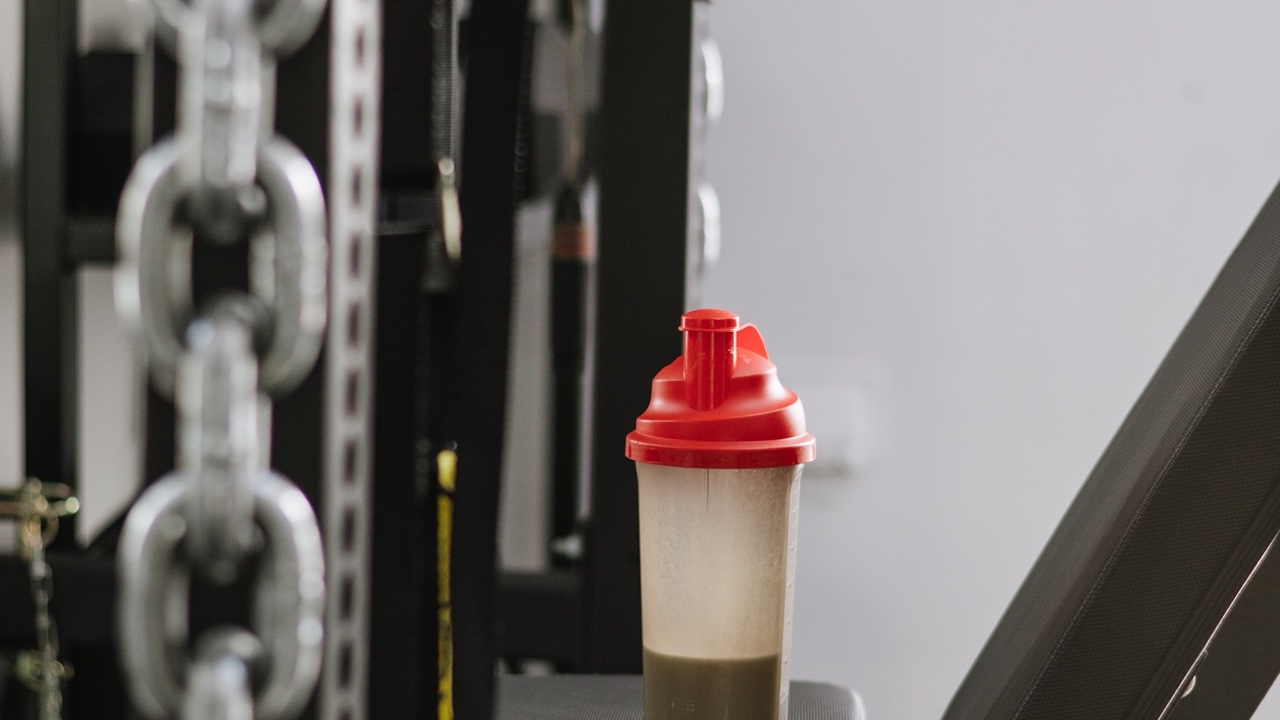
Walk into any commercial gym on a busy morning and you’ll see the same thing across the floor: shaker bottles on benches, in cup holders on cardio machines, lined up along the mirror in the weight area. It’s become so standard that a gym bag without one looks incomplete. Twenty years ago this wasn’t the case. The protein shaker as a ubiquitous fitness accessory is a relatively recent phenomenon, and understanding how it got here explains a lot about why the bottles are designed the way they are — and what matters when you’re evaluating them.
Where the Category Came From
The modern protein shaker traces back to the broader normalization of sports nutrition in gym culture during the 1990s and early 2000s. Before that period, protein supplementation was largely confined to competitive bodybuilders and serious strength athletes. The range of products was narrower, the user base was smaller, and the equipment around it — including containers — was improvised.
What changed was scale. As whey protein became cheaper to produce and market, as fitness culture moved from a subculture into a mainstream lifestyle category, and as supplement brands invested in mass-market positioning, protein powder use spread dramatically beyond competitive athletes. The average gym member started using protein shakes as a routine part of post-workout recovery, not just a specialized tool for elite training.
That shift created a problem nobody had adequately solved: how do you conveniently mix and carry a protein drink, which is inherently lumpy when not properly agitated, in a portable format that fits gym environments?
Why Standard Water Bottles Didn’t Work
The reason a dedicated shaker category emerged rather than people just using existing water bottles comes down to the nature of protein powder. Whey protein in particular doesn’t dissolve readily in water at room temperature — it tends to clump at the bottom or stick to the walls of a container, creating texture and inconsistency that makes drinking it unpleasant.
Early improvised solutions involved vigorous shaking of whatever container was available, which worked imperfectly and often resulted in leaking lids. The key insight that drove the category was that a small wire ball or mesh insert suspended in the liquid would break up clumps mechanically as the bottle was shaken, producing a smoother result than hand-shaking alone could achieve.
The wire whisk ball — now ubiquitous — is a simple engineering solution that solved a real problem. Combined with a wide-mouth opening (for easy powder addition) and a secure flip-top or screw cap that could survive vigorous shaking without leaking, this became the basic architecture of the modern protein shaker.
How Functional Demands Shaped Material and Design Choices
The functional demands of protein shaker use are specific enough that they’ve driven distinct design choices across the category.
Odor resistance became a major concern early. Protein powder, particularly casein and certain flavored whey varieties, leaves persistent odors in containers that aren’t cleaned promptly. Early plastic shakers developed permanent odor retention after a few weeks of use, which drove demand for materials with lower absorption rates. Food-grade stainless steel handles this better than most plastics — its non-porous surface doesn’t absorb odors even after extended use. High-quality BPA-free plastics like Tritan perform better than older formulations but still fall short of stainless steel for long-term odor neutrality.
Measurement markings are more important in this category than in general-purpose water bottles because protein mixing requires precision — the right ratio of powder to liquid affects taste and texture significantly. Bottles with accurate, legible measurement markings that extend across the full capacity range are more useful than those with minimal or imprecise markings.
Capacity conventions in the shaker category cluster around 20oz to 28oz for a reason: this range accommodates the typical protein shake volume (a scoop or two of powder in 250-400ml of water or milk) with room for vigorous shaking without overflow. Larger bottles reduce mixing efficiency because the liquid has too much room to move past the whisk ball without engaging it fully. Smaller bottles can’t accommodate the full shake plus headspace for shaking.
Leak resistance under pressure is a non-negotiable requirement. A bottle that leaks in a gym bag full of workout clothes and other gear is a serious problem. The design of the sealing mechanism — lid type, gasket material and placement, the security of the spout lock — receives more engineering attention in this category than in standard water bottles precisely because the consequences of failure are more immediate and messy.
What Happened Next: The Move to Stainless Steel and Electric Variants
Once the basic shaker format was established, the category expanded in two directions that reflect broader trends in drinkware.
The move toward stainless steel shakers followed the same trajectory as the broader market shift away from plastic in reusable drinkware — driven by material safety concerns, durability expectations, and the preference for odor resistance that plastic couldn’t fully deliver. Insulated stainless steel shakers added temperature retention to the mix, which matters for people using pre-made shakes that need to stay cold across a commute or a full morning.
Electric shakers — battery-powered mixing mechanisms that agitate the contents automatically — addressed the remaining mixing inconsistency that even good wire balls leave behind. For users mixing thicker supplements like mass gainers or certain plant-based proteins that resist manual shaking, motorized mixing produces a noticeably smoother result. The electric category has grown alongside the broader normalization of supplement use and the premiumization of gym accessories.
What This History Means for Sourcing Decisions
The protein shaker category is mature enough that the basic functional requirements are well understood, but it still has meaningful quality variation that affects end-user experience. For brands and distributors evaluating options, the functional checklist — mixing effectiveness, odor resistance, leak security, measurement accuracy — matters more than aesthetic differentiation.
For buyers sourcing at scale from a shaker bottle supplier, the questions worth asking go beyond unit cost: What material is the whisk ball and how does it hold up over time? What’s the lid mechanism and how is leak resistance tested? What material grade is the interior for odor resistance? A supplier who can answer these questions specifically is one who understands what the category actually demands, which is a better signal than a spec sheet that lists dimensions and capacity alone.
The protein shaker became a default gym bag item because it solved a real problem well. The products that continue to earn that spot in the bag are the ones that keep solving it — consistently, over years of daily use.